The landscape of education and corporate training is undergoing a seismic shift. The static, one-size-fits-all model of learning management systems (LMS) is rapidly becoming obsolete, replaced by dynamic, intelligent, and deeply personalized next-generation learning platforms. These platforms are not merely digital repositories of information; they are interactive ecosystems designed to engage, adapt, and empower learners at every stage of their journey. Driven by advancements in artificial intelligence, data analytics, and a deeper understanding of pedagogical science, these trends are redefining what it means to learn and teach. This in-depth analysis explores the most impactful next-gen studies platform trends that are setting the new standard for education in the digital age.
A. The Core Engine: Artificial Intelligence and Hyper-Personalization
The most transformative force in modern learning platforms is undoubtedly Artificial Intelligence (AI). AI moves beyond standardized curricula to create a unique learning path for each individual, making the promise of personalized education a tangible reality.
A.1. Adaptive Learning Pathways: Traditional courses are linear. AI-powered adaptive platforms are non-linear and responsive. They continuously assess a learner’s performance through quizzes, interaction patterns, and time spent on tasks. If a learner struggles with a specific concept, say, “calculus derivatives,” the system automatically provides additional resources, remedial exercises, or explains the topic in a different way. Conversely, if a learner demonstrates mastery, they can skip ahead, avoiding boredom and maintaining engagement. This ensures maximum efficiency and knowledge retention.
A.2. AI-Powered Tutors and Assistants: Imagine having a personal tutor available 24/7. AI chatbots and virtual assistants embedded within learning platforms fulfill this role. They can answer student questions in natural language, provide hints on problems, offer explanations, and even initiate conversations based on a learner’s perceived confusion. These tools provide immediate feedback, which is crucial for effective learning, without waiting for a human instructor to be available.
A.3. Predictive Analytics: AI algorithms can analyze vast datasets to identify patterns and predict outcomes. In an educational context, this means platforms can flag students who are at risk of falling behind or dropping out based on their engagement metrics and assessment scores. This allows instructors and institutions to intervene early with targeted support, improving overall success rates and completion percentages.
B. Immersive Learning: Virtual Reality (VR) and Augmented Reality (AR)
While AI personalizes the what and how of learning, VR and AR transform the where. These technologies create immersive, experiential learning environments that were previously impossible or prohibitively expensive.
B.1. Virtual Reality (VR) for Simulated Experiences: VR places the learner inside a fully digital environment. This is revolutionary for fields that require hands-on practice in high-risk or high-cost scenarios.
-
Medical Training: Medical students can perform virtual surgeries, allowing them to make mistakes and learn without any risk to a patient.
-
Technical Skills: Mechanics can practice repairing complex engine models, and electricians can simulate wiring a building, all within a safe virtual space.
-
History and Culture: Students can take virtual field trips to ancient Rome, walk through the Louvre museum, or explore the surface of Mars, making abstract subjects vividly real.
B.2. Augmented Reality (AR) for Enhanced Reality: AR overlays digital information onto the physical world through a smartphone or AR glasses. This blends learning with the real environment.
-
Interactive Textbooks: A student pointing their phone at a textbook diagram of the human heart could see a 3D, beating heart model appear on their page, which they can rotate and explore.
-
On-the-Job Training: A factory technician wearing AR glasses could see repair instructions and safety warnings overlaid directly onto the malfunctioning machine they are fixing.
C. The Rise of Microlearning and Mobile-First Design
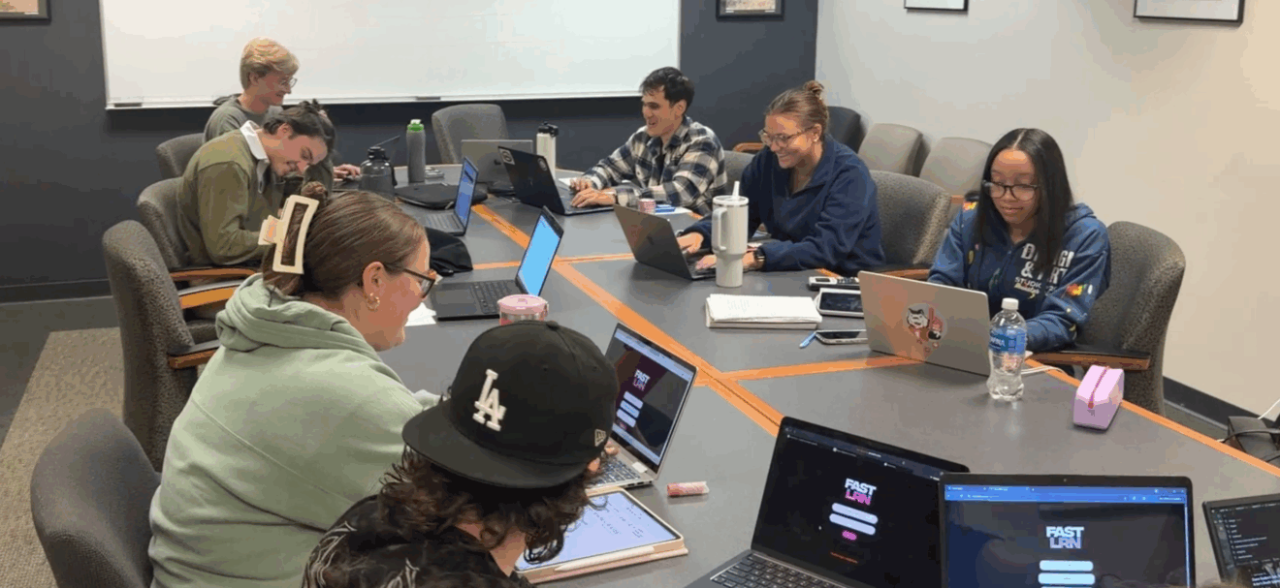
The modern learner is busy, distracted, and often on-the-go. Next-gen platforms have responded by embracing microlearning and ensuring their experiences are seamless on mobile devices.
C.1. Bite-Sized Microlearning Modules: Microlearning breaks down complex topics into small, digestible chunks of content—typically 3 to 7 minutes long. These modules can be videos, interactive infographics, short quizzes, or podcasts. This approach aligns perfectly with the human attention span and allows for learning in the flow of life—during a commute, between meetings, or waiting in line. It boosts completion rates and improves knowledge retention by reducing cognitive overload.
C.2. Ubiquitous Mobile Learning (M-Learning): A mobile-first design philosophy is no longer an option; it’s a necessity. Next-gen platforms are built as responsive web apps or native mobile applications, ensuring a flawless experience on any screen size. This provides ultimate flexibility, allowing learners to access materials anytime, anywhere, fostering a culture of continuous, just-in-time learning rather than confining it to a desktop computer in a specific location.
D. Gamification: Making Learning Addictively Engaging
Gamification applies game-design elements and principles in non-game contexts to motivate and engage users. It taps into intrinsic human desires for competition, achievement, and recognition.
D.1. Points, Badges, and Leaderboards (PBLs): These are the foundational elements. Earn points for completing modules, unlock badges for mastering skills, and climb public or private leaderboards to foster a healthy sense of competition. This transforms learning from a chore into a challenge.
D.2. Progress Bars and Narrative Journeys: Visual progress bars provide a clear sense of accomplishment and momentum. Embedding learning within a story or narrative where each module completed unlocks the next chapter of the story creates an emotional investment and compels the learner to continue.
D.3. Challenges and Missions: Instead of “complete chapter 4,” learners are given “missions” to accomplish. This reframing makes the task more exciting and goal-oriented, significantly boosting motivation and long-term engagement with the platform.
E. Fostering Collaboration: Social and Peer-to-Peer Learning
Learning is inherently a social activity. Next-gen platforms are integrating robust social features to replicate and enhance the collaborative aspects of a physical classroom or workplace.
E.1. Integrated Discussion Forums and Chat: Platforms feature dedicated spaces for course-related discussions, group project coordination, and Q&A sessions. This allows learners to help each other, share insights, and build a community of practice, reducing the feeling of isolation that can come with online learning.
E.2. Peer Review and Feedback Systems: Learners can submit assignments for review by their peers. This not only provides the submitter with diverse feedback but also deepens the reviewer’s understanding as they critically assess someone else’s work. It cultivates critical thinking and communication skills.
E.3. Group Projects and Collaborative Workspaces: Virtual workspaces equipped with shared documents, video conferencing, and task management tools allow learners to collaborate effectively on projects, mirroring the modern remote-work environment and building essential teamwork skills.
F. Data-Driven Insights and Learning Analytics
The digitization of learning generates a wealth of data. Next-gen platforms leverage this data to provide actionable insights for both learners and administrators.
F.1. Learner Dashboards: Individuals can track their own progress, see their strengths and weaknesses visualized in charts and graphs, and understand how they are performing against the course objectives and their peers (anonymously). This promotes self-directed learning and metacognition.
F.2. Administrator and Instructor Analytics: Institutions and trainers get a macro-view of their programs. They can see overall engagement metrics, assessment effectiveness, course completion rates, and identify broader trends. This data is invaluable for curriculum development, resource allocation, and demonstrating ROI on training programs.
G. Ensuring Authenticity: Blockchain for Credentialing
As online learning becomes more prevalent, verifying the authenticity of certificates and credentials becomes a challenge. Blockchain technology offers a robust solution.
G.1. Tamper-Proof Digital Credentials: Educational institutions and training providers can issue certificates and digital badges recorded on a blockchain. These records are immutable, meaning they cannot be forged or altered. Employers can instantly verify a candidate’s qualifications with a click, reducing fraud and streamlining the hiring process.
G.2. Lifelong Learning Passport: Blockchain can power a comprehensive, verifiable record of all learning achievements from university degrees to online micro-courses and corporate training accumulated over a person’s lifetime. This “learning passport” empowers individuals to own and easily share their complete educational history.
H. The Infrastructure Shift: Cloud-Based SaaS and Interoperability

The technology underpinning these platforms has also evolved to be more agile, scalable, and integrated.
H.1. Cloud-Based SaaS Models: Next-gen platforms are almost exclusively delivered via Software-as-a-Service (SaaS) on the cloud. This eliminates the need for expensive on-premise hardware, ensures the software is always up-to-date with the latest features, and allows for effortless scaling to accommodate any number of users.
H.2. Interoperability with xAPI and LRS: Moving beyond the outdated SCORM standard, modern platforms use xAPI (Experience API). xAPI can track a much wider range of learning experiences not just within the platform but also on simulations, mobile apps, and even real-world performances. This data is stored in a Learning Record Store (LRS), creating a much richer and more complete picture of a learner’s journey.
Conclusion: The Future is a Connected Learning Ecosystem
The trends defining next-generation learning platforms point toward a future where learning is not an isolated event but a continuous, integrated, and deeply personal part of our lives. The boundaries between academic, corporate, and personal learning will continue to blur. The winning platforms will be those that successfully weave together AI-driven personalization, immersive experiences, engaging micro-content, and robust social collaboration into a seamless ecosystem. They will not just deliver content but will foster growth, skill development, and a genuine love for learning, ultimately empowering individuals and organizations to thrive in an ever-changing world. The classroom of the future is here, and it is digital, adaptive, and boundless.