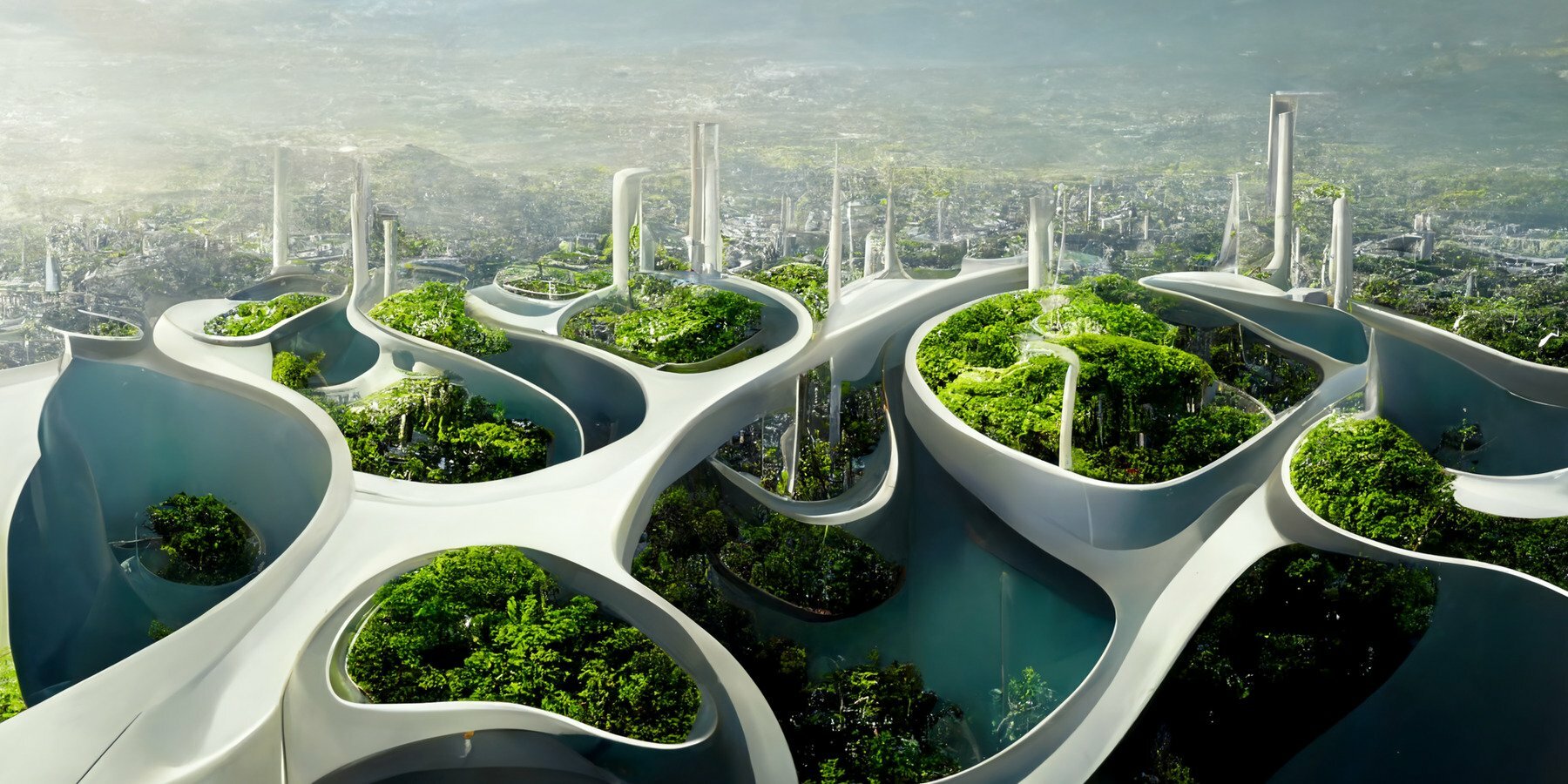
The world is urbanizing at an unprecedented rate. By 2050, it is projected that nearly 70% of the global population will reside in cities. This mass migration presents a monumental challenge: how do we design, build, and manage urban spaces that are not only habitable but truly sustainable, resilient, and equitable? The concept of a “Sustainable Studies City Design” is no longer a niche academic ideal; it is an urgent blueprint for our collective future. This comprehensive guide delves into the core strategies and innovative principles that will define successful urban design in 2025 and the decades to follow. We will move beyond theory to explore the practical, integrated systems that transform a standard city into a model of sustainability, ensuring it thrives economically, socially, and environmentally.
A. The Core Pillars of a Sustainable City Framework
A sustainable city is not defined by a single feature but by a holistic integration of interconnected systems. These core pillars form the foundational framework for any urban development strategy aimed at long-term viability.
A. Environmental Resilience and Climate Adaptation
The modern city must be designed as a living ecosystem. This means moving beyond simply reducing harm to actively regenerating the environment. Key focuses include robust climate adaptation plans to handle increased flooding, heatwaves, and extreme weather events. This involves creating permeable surfaces, expanding urban green corridors, and implementing water-sensitive urban design (WSUD) to manage stormwater naturally.
B. Economic Vitality and Circularity
A sustainable city must also be a prosperous one. The new urban economy is circular, aiming to eliminate waste and continually use resources. This model fosters innovation in recycling, repair, remanufacturing, and sharing economies. It supports local businesses, promotes green jobs in renewable energy and sustainable agriculture, and ensures economic opportunities are distributed widely to prevent inequality.
C. Social Equity and Inclusivity
Sustainability is meaningless if it only serves a privileged few. A truly sustainable city prioritizes social cohesion, affordable housing, universal access to public services, and inclusive community engagement. Design must consider the needs of all ages, abilities, and income levels, creating public spaces that encourage interaction and a shared sense of ownership among all residents.
D. Technological Integration and Smart Infrastructure
Technology is the nervous system of the future city. Smart infrastructure from intelligent grids that optimize energy use to sensor networks that monitor air quality and traffic flow provides the data needed to make efficient, real-time decisions. However, this technology must be implemented ethically, with a focus on data privacy and bridging the digital divide, ensuring it serves people rather than the other way around.
B. Key Urban Design Strategies for 2025
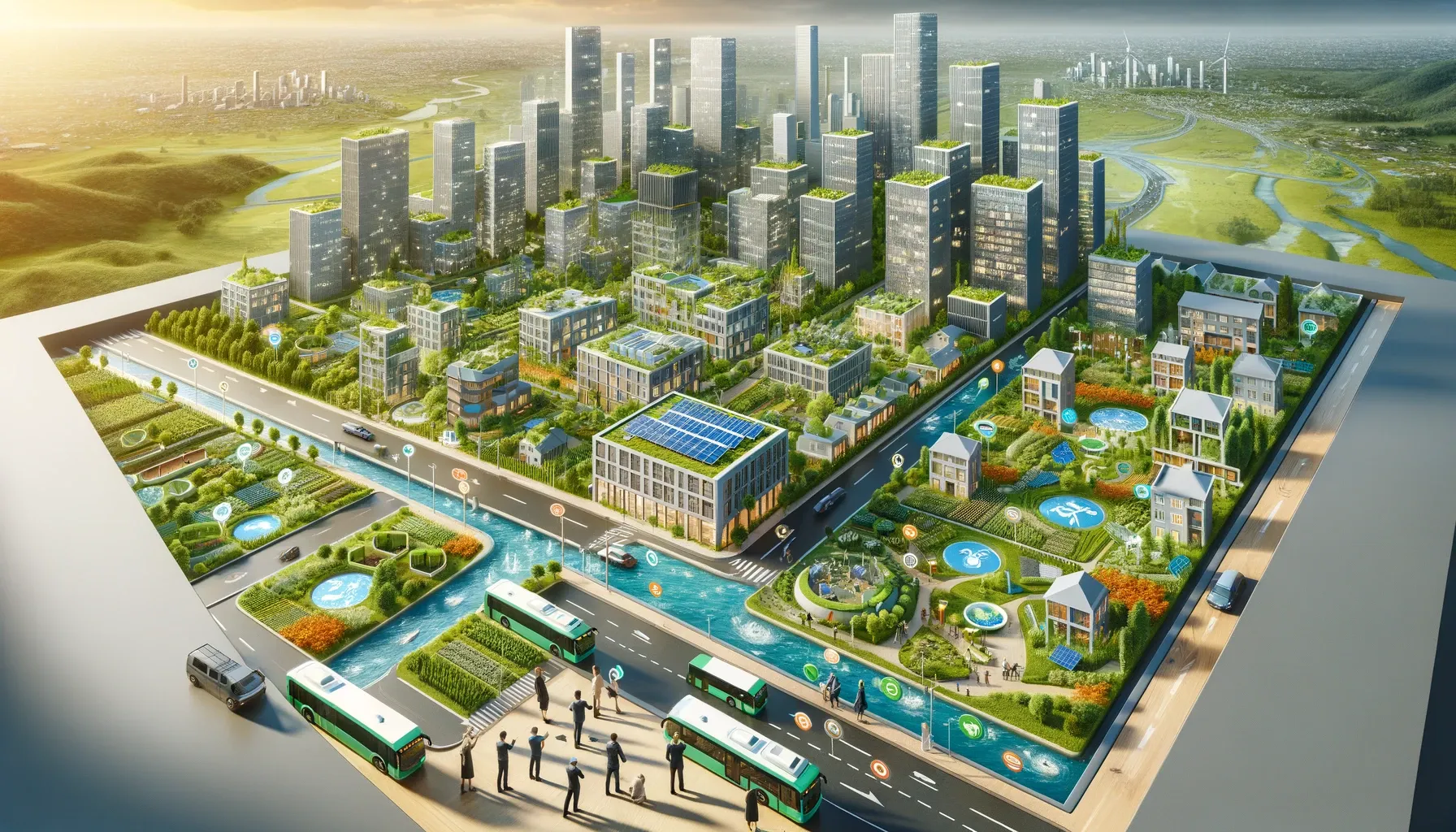
Translating these pillars into action requires specific, actionable design strategies. Here are the critical areas of focus for urban planners and designers.
B.1. Prioritizing Pedestrians and Cyclists (The 15-Minute City Concept)
The era of car-centric design is ending. The revolutionary “15-minute city” model, pioneered in Paris, is becoming a gold standard. In this concept, all essential services work, food, education, healthcare, and leisure are accessible within a 15-minute walk or bike ride from any resident’s home. This drastically reduces reliance on cars, cuts emissions, promotes public health through active transportation, and strengthens local community bonds. Urban design must invest in extensive, safe, and connected networks of sidewalks, protected bike lanes, and greenways.
B.2. Revolutionizing Mobility with Electric and Shared Transit
For longer journeys, cities must revolutionize public transit. The focus is on electrifying bus fleets, expanding light-rail networks, and creating integrated mobility hubs. These hubs seamlessly connect buses, trains, bike-sharing, e-scooter rentals, and ride-sharing services through a single, user-friendly digital platform. Autonomous electric shuttles are also poised to play a role in first-and-last-mile connectivity, making public transport a more convenient option for everyone.
B.3. Integrating Green-Blue Infrastructure
This strategy involves weaving natural hydrological (blue) and ecological (green) systems into the urban fabric. Instead of channeling rainwater away with concrete pipes, green-blue infrastructure captures, treats, and reuses it. This includes:
-
Bioswales and Rain Gardens: landscaped depressions that slow and filter runoff.
-
Green Roofs and Walls: which insulate buildings, reduce the urban heat island effect, and manage rainwater.
-
Restored Urban Waterways: daylighting rivers that were previously paved over, creating natural habitats and recreational spaces.
-
Urban Forests and Parks: strategically placed to clean air, provide shade, and offer mental health benefits to residents.
B.4. Advancing Net-Zero Energy Districts
The goal is to shift from individual net-zero buildings to entire net-zero energy districts. This is achieved through district energy systems that efficiently heat and cool multiple buildings, often using geothermal or waste heat from industrial processes. Rooftop solar panels, building-integrated photovoltaics (BIPV), and small-scale wind turbines feed renewable energy into a microgrid, making communities energy self-sufficient and resilient to wider grid failures.
B.5. Implementing a Circular Waste-to-Resources System
The linear “take-make-dispose” model is replaced by a circular one. Cities are installing advanced anaerobic digestion facilities that convert organic waste into biogas (for energy) and compost (for urban agriculture). Sophisticated material recovery facilities (MRFs) sort recyclables with high precision. The “zero-waste” ethos is encouraged through city-wide policies promoting repair, reuse, and refill stations, turning waste from a cost into a valuable resource.
C. The Role of Technology and Data in Smart Urban Management
Technology serves as the enabling force that makes large-scale sustainable management possible and efficient.
C.1. The Internet of Things (IoT) and Big Data
A network of sensors across the city collects real-time data on everything from energy consumption and trash bin fill-levels to traffic congestion and air pollution. This big data is analyzed by AI to identify patterns, predict problems, and optimize systems. For example, smart trash bins can signal for collection only when full, streamlining garbage truck routes and saving fuel.
C.2. Digital Twins for Urban Planning
A digital twin is a virtual, dynamic replica of a city. Planners can use this model to simulate the impact of new policies or designs before they are implemented in the real world. They can test how a new building will affect wind patterns, traffic, or shadowing, or model the effects of a major storm on drainage systems, allowing for proactive and risk-free planning.
C.3. Smart Grids and Energy Management
Smart grids use digital communication technology to detect and react to local changes in usage. They can balance electricity supply and demand, integrate intermittent renewable sources smoothly, and even allow buildings to sell excess solar power back to the grid. Smart meters provide residents with detailed feedback on their consumption, empowering them to reduce their energy use and costs.
D. Overcoming Challenges to Sustainable Urbanization
The path to a sustainable city is fraught with obstacles that must be acknowledged and addressed.
D.1. Financial Constraints and Funding Models
The initial capital investment for green infrastructure and smart technology is significant. Cities must develop innovative funding models, such as Green Bonds, Public-Private Partnerships (PPPs), and value-capture financing, where a portion of the increased property values generated by a new public investment (like a transit station) is used to fund that investment.
D.2. Policy and Regulatory Hurdles
Outdated zoning laws that enforce separation of residential and commercial uses are antithetical to the 15-minute city model. Streamlining bureaucratic processes, updating building codes to mandate green standards, and creating cohesive long-term plans that transcend short political cycles are essential for progress.
D.3. Ensuring Equity and Avoiding Green Gentrification
There is a dangerous risk that sustainability improvements will make neighborhoods desirable, raising property values and displacing long-term, low-income residents. Policies must be enacted in tandem with strong affordable housing mandates, community land trusts, and inclusive zoning to ensure that the benefits of a green city are shared by all.
D.4. Fostering Behavioral Change and Community Buy-In
Technology and infrastructure alone are not enough. The most successful sustainable cities actively engage their citizens through education, participatory budgeting, and co-design workshops. Changing deep-seated behaviors around transportation and consumption is challenging but critical for long-term success.
E. Case Studies: Global Leaders in Sustainable Urban Design
E.1. Copenhagen, Denmark: The Carbon-Neutral Capital
Copenhagen is on track to become the world’s first carbon-neutral capital by 2025. Its success is built on an unparalleled cycling culture (over 50% of all commutes are by bike), a massive district heating system powered by waste-to-energy, and extensive green spaces.
E.2. Singapore: The City in a Garden
Facing extreme land and resource constraints, Singapore has innovated with its pervasive green-blue infrastructure. Its famous Gardens by the Bay, mandatory green roofs on new buildings, and the Active, Beautiful, Clean Waters (ABC Waters) program to transform reservoirs and drains into vibrant public spaces make it a model for high-density ecological integration.
E.3. Medellín, Colombia: Social Urbanism
Medellín transformed itself from a city known for violence to a model of social equity through urban design. It integrated its impoverished hillside communities with a network of metro cables (aerial gondolas) and escalators, providing vital transport links and symbolically connecting the city socially and physically.
Conclusion: Co-Creating the Future of Our Cities
The vision of a Sustainable Studies City Design for 2025 is not a fixed destination but a continuous process of innovation, adaptation, and collaboration. It requires the concerted effort of urban planners, policymakers, engineers, private businesses, and, most importantly, an engaged and empowered citizenry. By embracing the integrated strategies of walkable neighborhoods, circular economies, intelligent technology, and nature-based solutions, we can forge cities that are not just concrete jungles but thriving, resilient, and equitable habitats for generations to come. The blueprint is here; the time for action is now.